When AI Can Make Anyone Say Anything, the Church Needs a Spine
Text-to-video AI is not coming. It’s here.
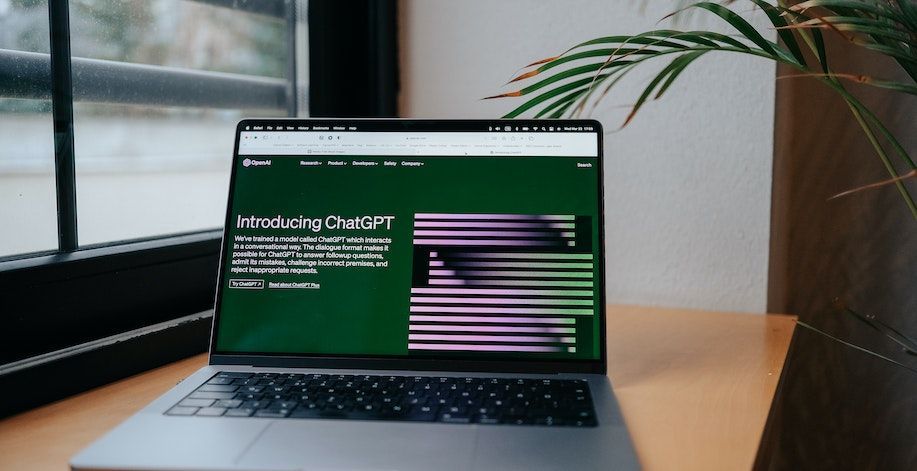
OpenAI’s Sora can generate photorealistic video from a text prompt. Type a sentence, get a cinematic scene. No camera. No crew. No footage. Just words — and suddenly, moving images exist that never happened in real life.
That’s either the most exciting creative tool the church has seen in decades, or a slow-motion ethical disaster. Probably both.
Jeff Reed sat down with AI ethics expert Quintin McGrath to work through what Sora actually is, what it makes possible, and — more importantly — what it demands of church leaders and content creators who want to use it responsibly.
What Sora Actually Does (And Why It Matters for Ministry)
Sora isn’t just better stock footage. It’s generative. You’re not choosing from existing video clips — you’re creating something from nothing. A prompt like “congregation gathered in an ancient stone church at dawn, light streaming through windows” produces a video that looks like it was shot on a film set.
For churches with zero production budget, that’s genuinely remarkable. Jeff and Quintin explored the real upside here: smaller congregations can now produce content with visual quality that was previously locked behind expensive equipment and skilled teams. Sermon illustrations. Worship lyric videos. Social content. Explainer animations. The creative ceiling just got much higher.
But here’s the problem no one wants to say out loud: Sora can also make anyone appear to say or do anything. And that should stop every church leader cold.
The Deep Fake Problem Isn’t Abstract
Deepfakes aren’t a theoretical future concern. They’re a present reality. And text-to-video AI like Sora accelerates the threat dramatically.
Quintin raised the bias issue directly — these models are trained on existing data, which means they inherit existing distortions. Who gets represented? How? What assumptions get baked into the output? For a church trying to reflect the image of God across every ethnicity and background, that’s not a minor footnote. It’s a theological problem.
Then there’s the trust erosion question. When video can be fabricated this easily, what happens to authenticity — the exact thing the local church is supposed to offer a cynical, fragmented culture? If your congregation can’t trust what they see, you’ve lost something that no algorithm can restore.
Ethics Aren’t Optional. They’re Your Witness.
Jeff and Quintin were direct: using AI tools without ethical guardrails isn’t just risky — it’s a failure of integrity.
They pushed hard on the idea of transparency about intent. If your church uses AI-generated video, say so. Label it. Don’t let your audience wonder. This isn’t about legal disclaimers. It’s about the kind of organization you want to be. “Let your yes be yes” (Matthew 5:37) isn’t just about verbal promises — it applies to every medium through which your church communicates.
Setting ethical boundaries before you start experimenting is far easier than trying to walk back a scandal after a deepfake gets traced back to your ministry account.
Practical Ways Churches Can Use Sora Well
The conversation didn’t stay in the abstract. Here’s what responsible, creative use actually looks like:
- Sermon series visuals: Generate stylized, clearly illustrative imagery that supports the message without pretending to be documentary footage
- Worship backgrounds: Custom, branded visuals that match your church’s aesthetic and theological sensibility — without licensing headaches
- Outreach content: Short, eye-catching social videos for event promotion that don’t require a video team
- Teaching illustrations: Animated explainers for kids ministry, small groups, or online courses
The key across all of these: use AI to enhance communication, not to fabricate reality. There’s a wide lane between “we animated an abstract concept” and “we made it look like something real happened.”
Questions Your Church Should Be Asking Right Now
Before you open a Sora account, work through these with your team:
- Who sets the ethical guidelines? Don’t default to whatever the platform allows. Set your own standard first.
- How will we disclose AI use? Build a transparency policy before you need one.
- What will we never use this for? Identify the hard lines in advance.
- Who has permission to create on behalf of the church? Limit access. Protect your voice.
The Church Has Always Had to Navigate New Media
Every generation of church leaders has faced a new communication technology and had to decide: will we use this to build the kingdom, or will we let it use us?
Text-to-video AI is the current version of that question.
The answer isn’t to avoid it. It’s to lead with wisdom, move with transparency, and refuse to let speed become an excuse for skipping ethics.
Listen to the full conversation with Quintin McGrath on EP285 of The Church Digital Podcast — then download our free AI Ethics Framework for Churches to start building your policy before you need it.