Gen Z Isn’t Leaving Faith. They’re Leaving Fakery.
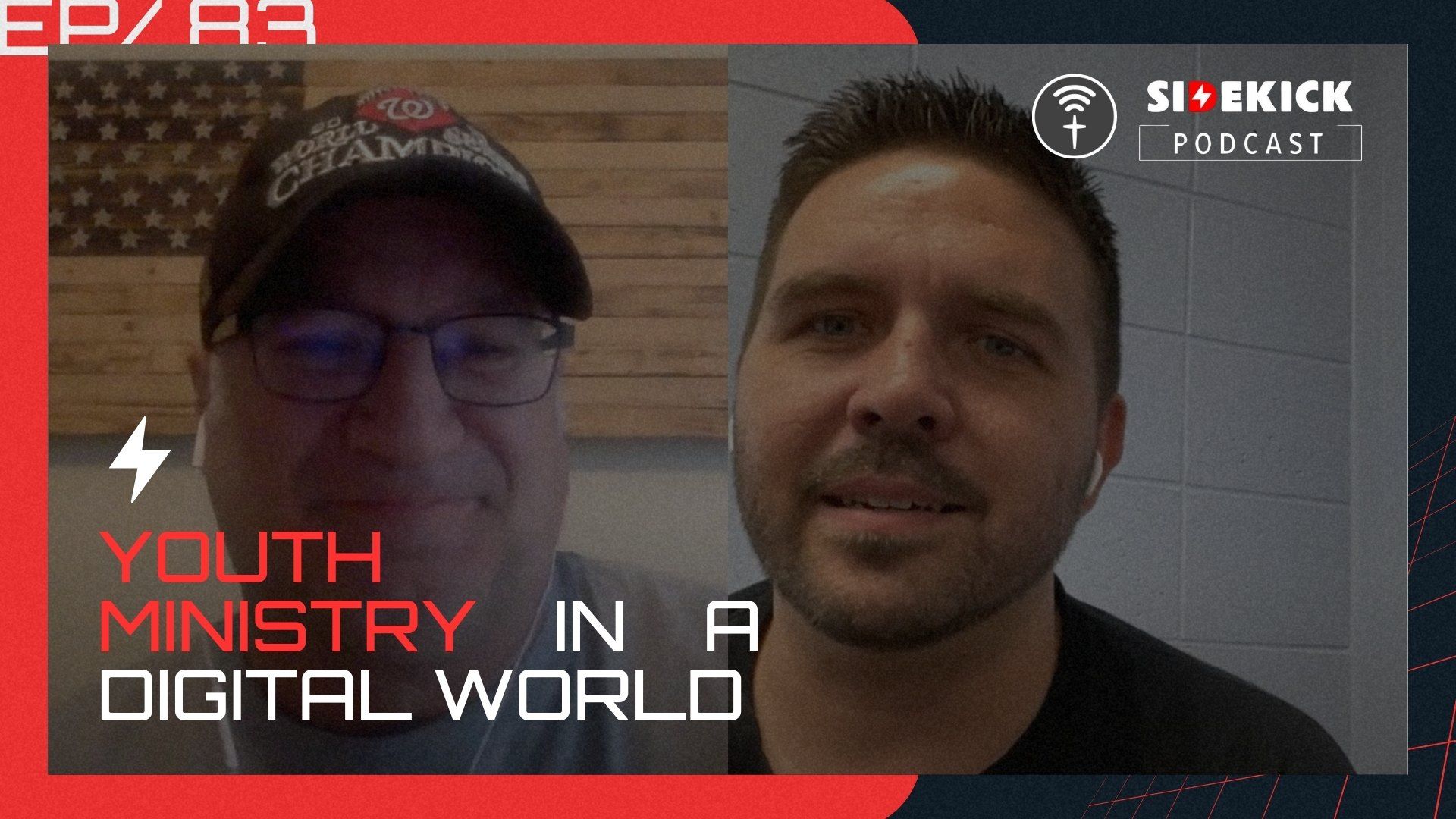
Here’s the uncomfortable truth: young people aren’t walking away from Jesus. They’re walking away from institutions that feel more like performance than presence. Jay Medina gets this — and the conversation she brings to the table is one every church leader needs to hear.
This episode isn’t a sociology lecture. It’s a gut-check.
The Generational Shift Is Already Here
The numbers aren’t new. Religiously unaffiliated adults keep climbing. But statistics don’t tell you why Jay’s peers are stepping back from the church — the conversation does.
It’s not rebellion. It’s disappointment.
Gen Z grew up with access to everything. Every opinion, every scandal, every contradiction is searchable. When the church projects one thing on Sunday and lives something different Monday through Saturday, they notice. Immediately. They’re not cynical by nature — they’re perceptive by formation.
Church leaders, that’s your starting line. Not “how do we get them back?” but “what have we been projecting that doesn’t match reality?”
Authenticity Isn’t a Trend. It’s a Theology.
Jay makes the case that genuine expressions of faith resonate more with young people than polished programs. This isn’t just a stylistic preference — it’s actually theological.
When Paul said “I have learned, in whatever state I am, to be content” (Philippians 4:11), he wasn’t posting highlight reels. He was being honest about a process. Sanctification is messy. Faith is a journey, not a brand.
The episode digs into the difference between sanctification and salvation — and it’s a distinction churches often blur. Young people like Jay aren’t questioning whether they belong to God. They’re questioning whether they belong in the room. The church’s job isn’t to set the bar for arrival. It’s to walk with people through the becoming.
Practically, this means:
- Small groups over stage productions. Let people see the pastors’ doubts, not just their declarations.
- Story-sharing platforms. Create space — online and in person — where imperfect journeys are the norm, not the exception.
- Honest preaching. If your sermon never costs you anything to say, it probably won’t cost your people anything to hear.
Diversity and Digital Storytelling Are Discipleship Tools
Jay’s background shapes her vision: media that actually reflects the multicultural reality of the global church. This isn’t about political posturing — it’s about the Great Commission.
If someone scrolls your church’s Instagram and never sees a face that looks like theirs, you’ve already sent a message. Digital spaces aren’t neutral. They communicate belonging or exclusion faster than any bulletin board ever could.
Jay’s push for diverse digital storytelling is a discipleship strategy. When a young Latina woman sees her story reflected in your content, she doesn’t just feel seen — she starts to believe the Gospel might actually be for her too.
Concrete steps:
- Audit your digital presence. Who’s in your photos, videos, and testimonies?
- Recruit content creators from within your congregation — especially from underrepresented backgrounds.
- Tell real stories, not just conversion highlights. The middle of the journey matters.
Mentorship Over Methodology — and Drop the Savior Complex
This might be the sharpest takeaway Jay delivers. Church leaders: Gen Z doesn’t need you to rescue them. They need you to walk with them.
The “savior complex” shows up when we design programs for young people instead of building community with them. It looks like assuming you know what they need before you’ve asked. It sounds like talking about Gen Z in the third person while they’re sitting in the room.
Mentorship that actually works:
- Ask more than you tell. What are you wrestling with? What do you believe right now? What would it take for you to trust this community?
- Invite them into leadership early. Not as token representation — as genuine decision-makers.
- Be a learner yourself. Jay’s episode is a gift if you’re willing to receive it as a lesson, not just content to consume.
Digital Discipleship Isn’t Optional Anymore
The young people you’re trying to reach are forming their theology in comment sections, on TikTok, in Discord servers. The question isn’t whether digital spaces are shaping their faith. It’s whether you’re present in those spaces or not.
This conversation with Jay is a reminder that digital ministry isn’t about going viral. It’s about showing up authentically in the places where real people are asking real questions about real faith.
Your Next Step
Watch the full conversation with Jay Medina above — then bring one insight from it into your next team meeting or youth gathering. Don’t just consume it. Act on it.
And if you want to go deeper on digital discipleship strategy for your church, take the quick survey at hybrid.church to get connected with a coach and resources built for exactly this moment.